Design & construct · Bangalow, Northern Rivers NSW

The ground was here first.

We design and build landscapes for the Northern Rivers: native planting, stone that stays put, gardens sized to the rain that actually falls. Most of the job is reading a site closely before changing it.

28.69° S · 153.52° E working gardens, kept as field journals
Fog drifting through a dark stand of trees in early morning light

morning fog
lifting by eight

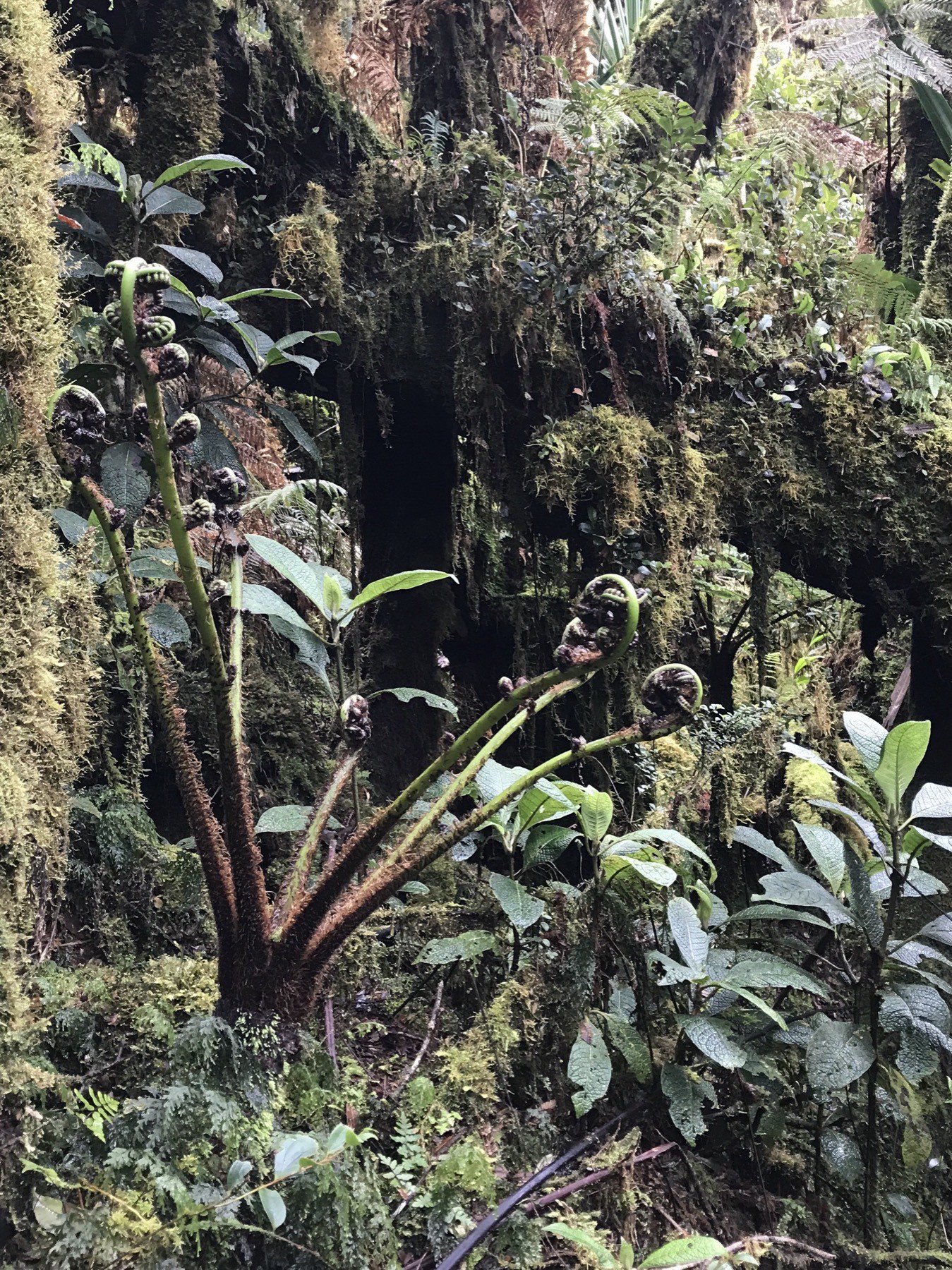
A tree fern fiddlehead unfurling above wet leaf litter
tree fern, frond unfurling · after rain
SHEET 01

What we make, kept as an index

01

Design & construct

One crew from first sketch to last barrow of mulch. We draw what we can build, then build what we drew; nothing gets lost between the plan and the ute.

ACC. 041Elaeocarpus reticulatusblueberry ashsun to part shade · fringed flowers

02

Native planting design

Locals first. They already know this rain, this humidity, these soils, and they feed the birds that were here before the fence was. Layered the way forest layers itself.

ACC. 007Dianella caeruleaflax lilyfull sun to part shade · blue berries

03

Stone & retaining

Dry-stacked where we can, engineered where we must. A good wall looks inevitable, not installed, and it drains better than it photographs. Lomandra goes in at the toe of every wall, partly for the roots, mostly because we have never once managed to kill one.

ACC. 019Lomandra longifoliaspiny-headed mat-rushsun to shade · holds a bank

04

Water-wise systems

Swales, tanks, mulch, and plants grouped by thirst. Deep, infrequent water grows deep, patient roots; the rest is plumbing done quietly.

ACC. 023Westringia fruticosacoastal rosemaryfull sun · shrugs at salt wind

05

Bush regeneration

Weed pressure off, natives back in, edges defended. Small interventions repeated beat grand ones done once; the bush does most of the work if you let it.

ACC. 032Ficus coronatasandpaper figcreek lines · part shade

06

Maintenance rounds

A garden is a schedule, not an event. We come back monthly through the growing season; that is most of the secret.

ACC. 054Viola hederaceanative violetshaded ground · spreads gently

SHEET 02

How a garden goes in

Buttress roots of a Moreton Bay fig with sun breaking through the canopy
Ficus macrophylla Moreton Bay fig · roots doing the retaining
Cupped hands holding dark soil and a small seedling
potting on tubestock hardens off before planting
Field note 1

Walk the water

Before anything is drawn we read where the rain goes: silt lines, moss, the slumped corner of the old bank. Water writes the brief; we just take it down.

Field note 2

Set the bones

Levels, drainage, stone, paths. The unglamorous fortnight that decides whether everything planted afterwards thrives or drowns. We spend it gladly.

Field note 3

Plant in layers

Canopy, mid-storey, ground. Density where forest would be dense, air where it would not. Tubestock over advanced stock, then mulch, deep, and the long game begins.

SHEET 03

Planting notes

A native garden is not a picture of somewhere else. It is this place, arranged. Somewhere between one and two metres of rain lands on this coast in an ordinary year, most of it between December and March, some of it sideways, and every species on our lists grew up expecting exactly that. Put them where they would put themselves and they ask for very little.

So we water deeply and rarely, and the roots go down instead of sideways. We let leaf litter lie; it is next year's soil. We plant small: we buy tubestock and wait, because a tubestock forgets its pot inside a season and walks past the advanced specimen by the third summer. Patience, here, is a construction method.

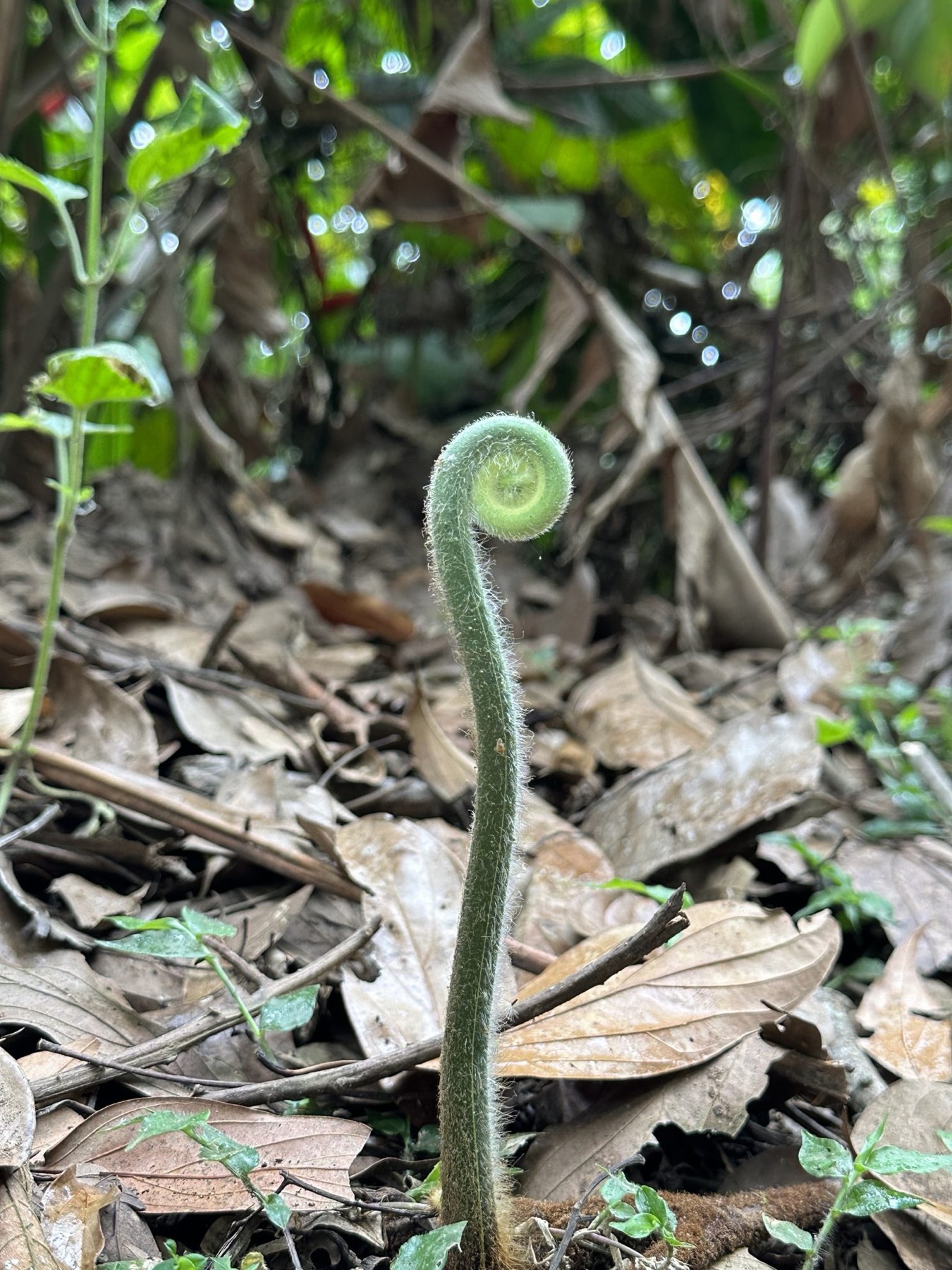
Moss covered trunks and young tree fern fronds in dense understorey
understorey · doing what it does

Archontophoenix cunninghamianabangalow palmmoist gullies · filtered light · the town's namesake

Alpinia caeruleanative gingerdeep shade · rainforest floor · blue fruit

Themeda triandrakangaroo grassfull sun · low water once settled

Banksia integrifoliacoast banksiafree-draining · flowers autumn into winter

Melaleuca quinquenerviabroad-leaved paperbarktolerates wet feet · bark like old letters

Doodia asperarasp ferndry shade once established · new fronds pink

Every site arrives with opinions. We mostly write them down.

SHEET 04

The year, kept

Tray of seedlings emerging from soil cells in soft light
the bench · next season, rehearsing
Dec · Mar

Storm season

Growth you can nearly watch. We clear drains before the big cells arrive, lift crowns off paths, stake what the wind leant on. It floods. The drains we cleared in November earn their keep.

Apr · May

Planting weather

Soil still warm, sun softening. New stock goes in now so roots are settled long before the next wet; autumn is when most of our gardens actually begin.

Jun · Aug

The bones show

Pruning after flowering, edges rebuilt, stonework while the ground is firm. The coast banksias carry the flowering and the honeyeaters know it.

Sep · Nov

Before the heat

Mulch topped up ahead of the first hot week, irrigation tested before it is needed. Weeds get ahead of us exactly once a year; this is when we get even.

Tell us about your patch of ground.

We take on a handful of design & construct projects each year, and maintenance rounds from the Byron hinterland to the Clarence. Write with where you are and what the site does in rain; photographs help more than measurements at this stage.

Write to the studio

Emailstudio@understory.com.au

Phone02 5550 0186

StudioBangalow NSW · 28.69° S, 153.52° E

Hourson site from first light, most days

BLINCO · DEMO PLATE E